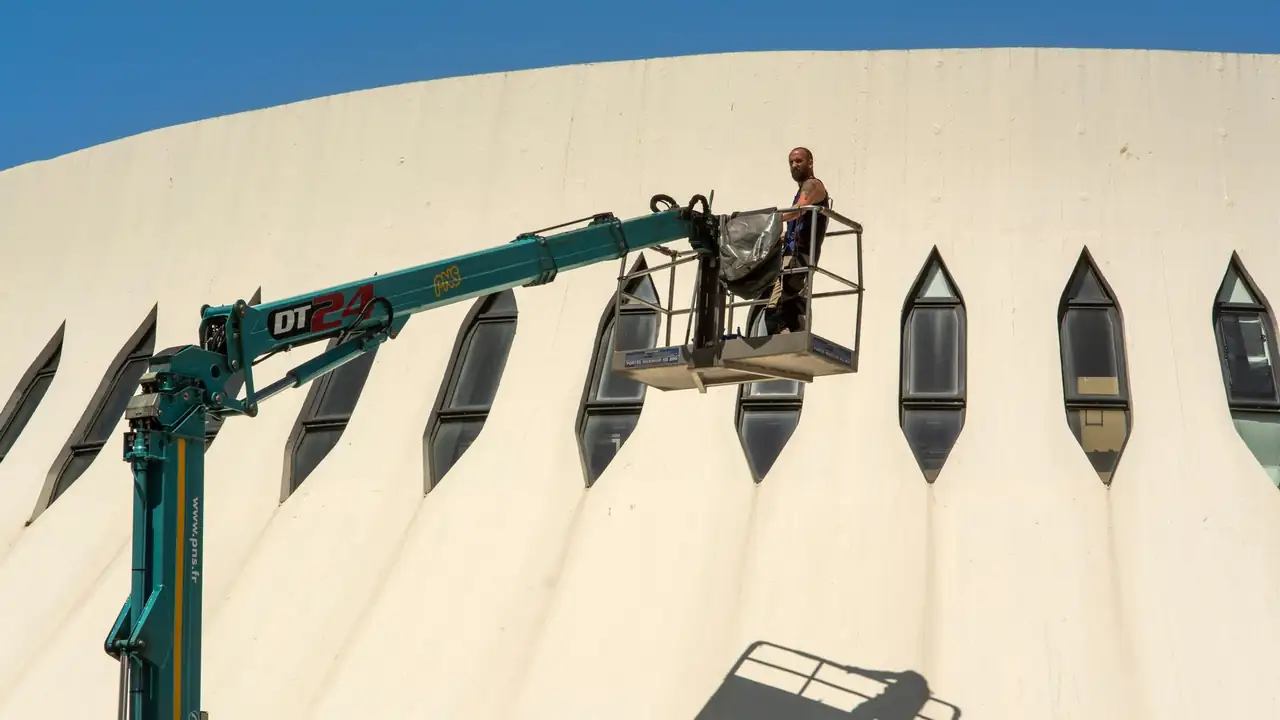
Job ads for Cairns site work often list "working at heights" and "EWP ticket" side by side as if they are one thing. They are not. One is safety training with no licence attached, the other can be a formal high risk work licence depending on the machine. Getting the distinction right saves you from paying for the wrong course, and from turning up to a job you cannot legally do.
Two different things
Working at heights is training in how to work safely where a fall is possible: harnesses, anchor points, fall arrest versus fall restraint, ladders, roof work, exclusion zones. It is a nationally recognised training unit delivered by registered training organisations, but it is not a licence. No card from WorkSafe Queensland exists for it. Employers ask for it because their safety systems require evidence of training before anyone works where they could fall.
EWP tickets cover elevating work platforms: boom lifts, scissor lifts, cherry pickers. Whether you need a formal licence depends entirely on the machine.
The 11 metre line
This is the rule that sorts everything out:
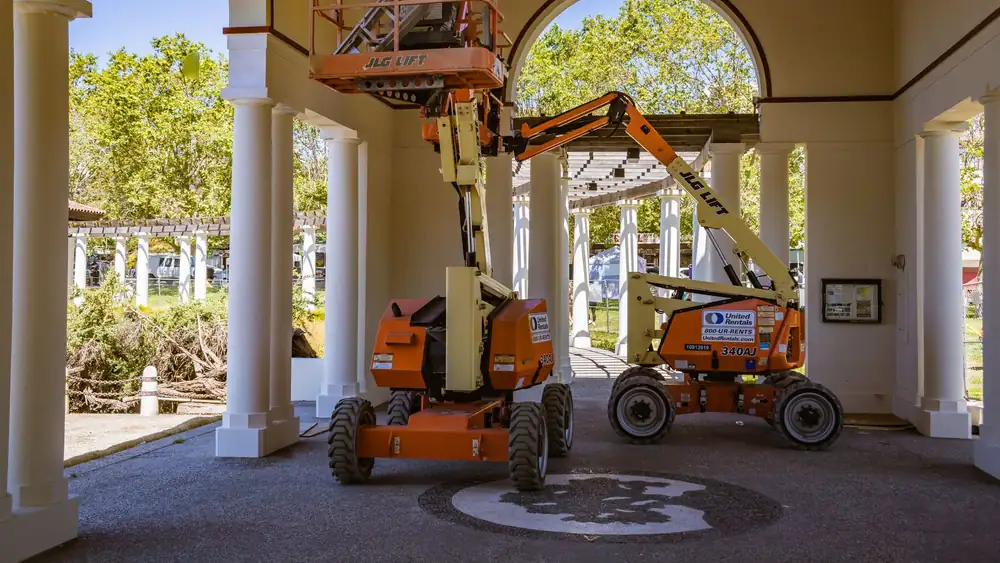
- Boom-type EWPs with a boom length of over 11 metres require a high risk work licence, the WP class, issued by WorkSafe Queensland. Like a forklift licence, that means training and assessment with a registered training organisation, then a licence application to WorkSafe Queensland with its own fee and deadline.
- Scissor lifts and boom lifts of 11 metres and under do not need a high risk work licence. For these, the industry standard evidence of training is the operator ticket commonly called a yellow card, issued through industry-recognised training. It is not a WorkSafe licence, but many principal contractors will not let you on their machines without it.
If you are unsure which side of the line a job sits on, ask the employer which machines they run, and confirm current licensing requirements on the WorkSafe Queensland website. Machines, not job titles, determine what you need.
Who asks for these tickets in Cairns
More trades than you might guess, because this is a town of two and three storey construction, big sheds and a lot of trees and poles:
- Construction crews on residential and commercial builds, where roof work and facade work make heights training a standing requirement
- Painters, roofers, gutter and solar installers
- Electrical and telecommunications crews working from EWPs on poles and towers
- Arborists and the tree industry, where heights competence sits alongside chainsaw units, covered in the chainsaw and landscaping guide
- Events and entertainment rigging, signage installers and facade cleaners
- Airport, port and industrial maintenance around Portsmith
Browse the trades and labouring categories and you will see the pattern: heights and EWP competence is what separates the general labourer from the labourer who gets the better hourly rate and the steadier weeks.
Booking a course without wasting money
- Match the course to the actual work. Ask your employer, or the type of employer you are chasing, exactly what they need: heights unit, yellow card, or the WP high risk licence. Do not buy the expensive one on spec if the cheap one is what the job requires.
- Use a registered training organisation. Check the national register at training.gov.au for providers delivering the relevant units in Cairns.
- Ask what you walk out with and when. A statement of attainment, an industry card, or a notice of satisfactory assessment for a WorkSafe Queensland licence application are three different pieces of paper with three different processes.
- Check prerequisites. High risk work licences have a minimum age, and providers have ID and language, literacy and numeracy requirements.
Prices are set by each provider, so ring two or three and compare totals including any licence application fee, rather than trusting a number from a national ad. Ask about employer funding too: builders and labour hire agencies regularly cover tickets for workers they want to keep, and the Queensland Government subsidises some training in some circumstances, so check the current subsidy information before paying out of pocket.
Currency and the checks on site
Neither ticket is truly set and forget. Employers expect heights training to be refreshed periodically under their safety systems, high risk work licences have renewal dates like any WorkSafe Queensland licence, and most decent contractors will run their own verification of competency on their machines before your first solo elevation. Keep your paperwork in one place and photograph everything, because site supervisors ask to see evidence at the gate, not to take your word for it.
The classic Cairns stack for site work is white card first, then heights and EWP, then first aid. That combination makes you hireable across construction, maintenance, events and the tree industry at once, which matters in a seasonal town where the busy sector changes with the calendar.
If you do not hold a white card yet, get that first. It is the legal minimum for construction sites, and most heights work happens on one.
The wet season angle
Heights work has a genuine seasonal rhythm here. The wet season brings roof repairs, gutter work, storm damage and vegetation management, while the dry is peak construction and maintenance programme season. Crews with heights and EWP competence are the ones who stay busy across both halves of the year.
Tickets sorted, or booked? Check what is open right now and filter to trades and labouring. Site roles in Cairns are usually filled within days, and employers post here free, so the board reflects who genuinely needs someone this week.