
If you can drive, Cairns has work for you, and the range is wider than most people realise: parcel vans, food delivery, couriers, buses, waste trucks, airport transfers, tour vehicles and linehaul heading down the Bruce or up to the Cape. The licence in your wallet decides which of those doors are open, so here is the map of what needs what, and what each kind of driving is honestly like.
Driving on a car licence
The biggest slice of the market needs nothing beyond the standard C class licence you already hold:
- Parcel and van delivery. Online shopping keeps growing and every parcel in the city gets driven to a door. Some delivery drivers are employees, many run as contractors with an ABN, sometimes supplying their own van.
- Food delivery and gig platforms. App-based delivery work exists in Cairns, and the honest version is this: you are typically a contractor on an ABN, not an employee, which means no minimum shifts, your own vehicle costs, and responsibility for your own tax and super. Do the sums on fuel, insurance and wear before assuming the headline earnings are real, and read the pay rates guide to understand what employee work pays by comparison.
- Couriers. Medical runs, legal documents, parts for workshops. Steady, local, and often suits older workers well.
- Airport transfers and tour driving. Shuttles and tour vehicles within car licence limits, though many operators run larger vehicles that need more licence, covered below. The crossover with tourism work is strong: a driver who can also deliver commentary cheerfully is worth more than one who just drives.
- Rideshare. Driving passengers for a booked hire platform involves licensing and vehicle requirements set by the Queensland Department of Transport and Main Roads, so check the current rules on the TMR website before you sign up to anything.
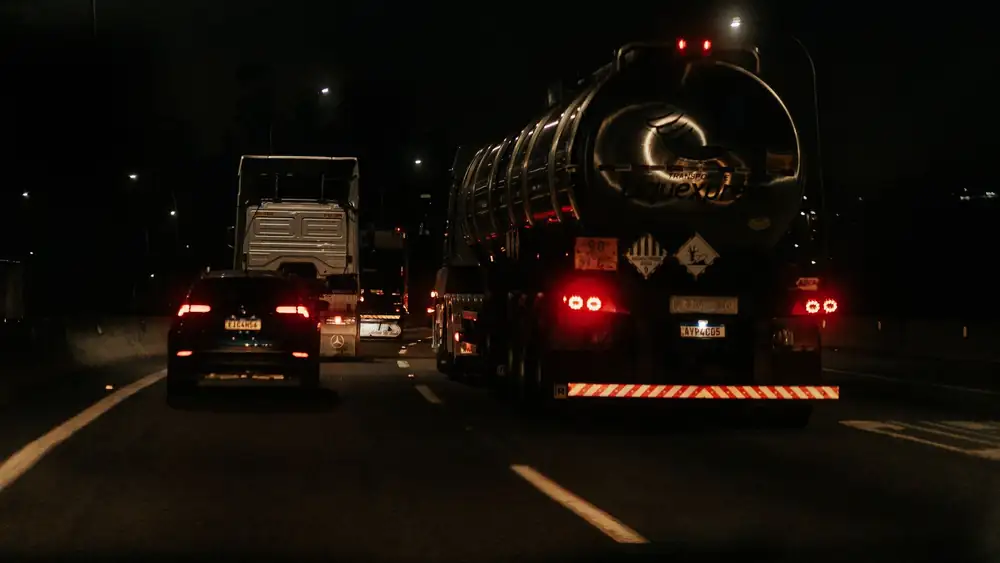
Trucks: where the licence ladder starts paying
Once you step up to MR, HR and beyond, the work changes character and so does the demand:
- MR and HR work covers most local delivery trucks, waste and recycling runs, building supplies and furniture. Waste in particular is a quiet achiever: early starts, home by afternoon, every week of the year.
- HC and linehaul connects Cairns to Townsville and Brisbane, plus the wet season freight rhythms that come with being the supply hub for the far north. Cape York supply runs are their own world of experience-first hiring.
- Ag and harvest carting runs seasonally on the Tablelands and the coastal strip.
Which class covers which vehicle, how long you must hold each licence before stepping up, and how testing works are all Queensland Department of Transport and Main Roads territory, and the truck licence guide walks through the whole ladder. If you are weighing up whether to invest in an upgrade, ask any local transport yard what they are short of. The answer, almost always, is drivers.
Buses need more than a licence
Driving a bus in Queensland requires driver authorisation from the Department of Transport and Main Roads on top of the right licence class, which involves checks because you are carrying passengers, including children on school runs. School and urban bus work suits people who want split shifts and school-term rhythms, and operators around Cairns and the Tablelands train and support new drivers through the authorisation process. Check the current driver authorisation requirements on the TMR website, then approach operators directly.
What driving work is like here
A few local realities worth knowing before you commit:
- The wet season increases delivery demand. When it pours, nobody walks to the shops, and food and parcel volumes climb. It also floods roads and slows every run, so patience is part of the job from November to April.
- Early starts are standard. Freight, waste and supermarket deliveries move before the city wakes.
- Loading is part of driving. Most delivery roles involve real lifting, and a forklift ticket or willingness to work the depot end makes you more useful and more hireable. Many driving careers here start in the warehouse.
- Your record matters. Employers and their insurers care about driving history, and many roles involve a licence check. Be upfront about anything on yours.
- Fatigue rules are real in heavy vehicles. Once you move into trucks, work and rest hours are regulated, with the National Heavy Vehicle Regulator the authority on the current rules. Good operators build rosters around them; an operator who winks at them is telling you something important about everything else they do.
- Site deliveries can need a white card. If your run takes you out of the cab and onto construction sites, the induction card question comes up, so it is a cheap ticket worth holding as a driver.
Choosing your lane
Rough guide to matching driving work to life: gig and courier work offers flexibility with contractor risk attached, employed van and truck driving offers payslips, super and predictable hours, buses suit routine and people skills, and linehaul pays for time away from home. If you want driving as a career rather than a stopgap, the licence ladder plus a clean record is the whole strategy, and every rung opens better-paid doors.
Driving, delivery and transport roles from local employers land on the job board regularly, and plenty sit in the casual listings where operators need cover fast. Employers post free here, which means the small local outfits appear alongside the big fleets. Check what is open, and lead your application with your licence class and your record.