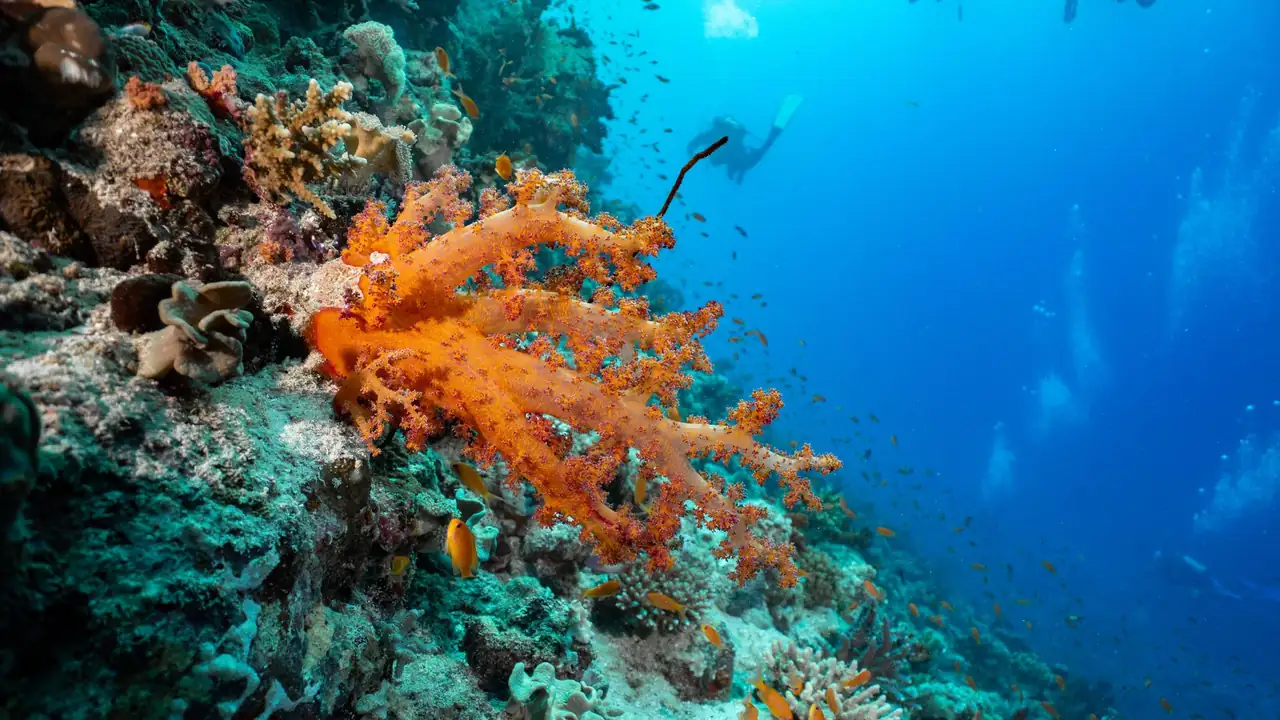
Cairns exists as a city the size it is because of the reef and the rainforest. Tourism is the engine, and it employs thousands of people across boats, buses, dive shops, tour desks and reservations offices. It is also the most seasonal work in town, and the industry knows exactly how many people will accept less because the office is a catamaran. Both things are true, so here is the full picture.
What tourism work in Cairns covers
Four broad areas, with different entry points:
- On the water. Day trip reef boats, liveaboards, dive charters, sailing, island ferries to Green Island and Fitzroy Island.
- On the road. Coach and 4WD tours to Kuranda, the Daintree and Cape Tribulation, Mossman Gorge, the Tablelands waterfall circuit and the caves out west.
- Adventure. Rafting, bungy, ballooning out of the Mareeba flats, skydiving, canyoning.
- The sell and support layer. Tour desks, hotel concierge, reservations and call centres, ticketing at the Reef Fleet Terminal, retail in the tourist strip, and the cleaners and maintenance crews who keep it all running.
That last group is where most of the year round jobs are, and it is the part jobseekers overlook.
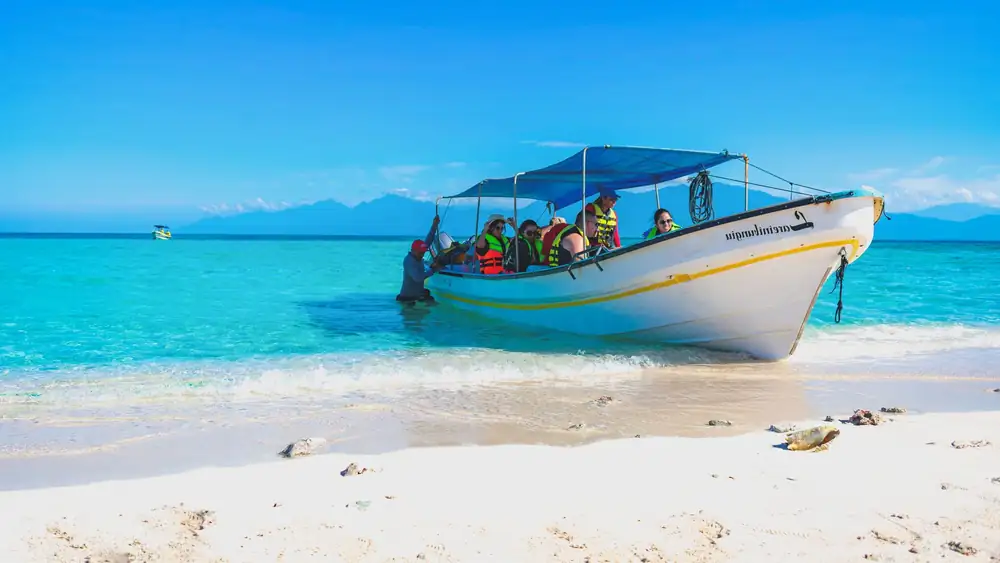
Reef boat crew: what the jobs are
A typical day boat crew includes deckhands, hosts or hosties, snorkel guides and in-water lookouts, dive staff, galley and catering crew, a photographer or videographer, sometimes a marine biologist presenter, and the skipper.
Deckhand and host roles are the usual entry point. What the job really involves: a start well before dawn to prep the boat, hours of guest wrangling, cleaning wetsuits and toilets, safety briefings, then a full clean down after the last passenger leaves. If you get seasick, find out on a rough day before you take the job, not after.
Almost every operator would rather promote an existing crew member than hire a stranger. Take the galley or the cleaning job to get on the boat, then learn the rest on board.
Dive crew and the tickets that gate it
Dive work is the most credential heavy part of the industry. In broad terms you need a divemaster qualification to supervise certified divers and an instructor qualification to teach, plus current first aid and CPR, an oxygen provider certificate, a dive medical, and a logged dive count that satisfies the operator. Queensland also has its own recreational diving code of practice, so ask the operator exactly what they require before you spend money on a course.
Be careful with internships. Some operators offer training in exchange for unpaid or low paid work. Some of those are genuinely good deals and some are not. Read what you are signing, ask how many past interns were hired on, and check the pay arrangement against Fair Work guidance.
Land tours and driver guiding
Coach and small group touring runs constantly out of Cairns: Kuranda via the Skyrail and Scenic Railway pickups, day trips north to the Daintree and Cape Tribulation, the Tablelands loop, and dry season 4WD runs up the Cape.
Driver guides need the right licence class for the vehicle, and depending on the work they may also need a passenger transport driver authorisation. Check with the Queensland Department of Transport and Main Roads rather than taking an ad's word for it. If the tours carry school groups you will likely need a blue card as well, which our certificates guide explains.
The skill that actually gets you hired as a guide is not driving. It is talking to a bus for eight hours and making people laugh.
Tour desks, reservations and guest services
If you want tourism work with regular hours and a roof, this is it. Tour desk and reservations staff sell and book product, handle changes when the weather cancels a trip, and take the phone calls. Sales ability matters, and so do languages: Japanese, Mandarin, Korean and German are all genuinely useful in Cairns and will move your application up the pile.
The honest downsides
- It is seasonal. The dry season peak carries the industry and the wet season, roughly November to April, cuts hours hard. Some products shut down entirely.
- Weather cancels trips, and a cancelled trip usually means no shift.
- Most roles are casual, so income moves week to week.
- Early starts and long days are the norm, and there is a real pattern of the scenery being treated as part of the pay.
- Physically it is more demanding than people expect: lifting tanks, hauling gear, standing all day in the heat.
How to get hired
- Apply from February through April. That is when operators crew up for the dry season, and it is the difference between choosing a job and taking what is left.
- Get your first aid and CPR current before you apply. It is cheap and it separates you from most applicants immediately.
- Walk the waterfront. Drop a one page resume at the Reef Fleet Terminal counters, the marina offices and the tour desks along the Esplanade.
- Say how long you are staying. Operators invest weeks training crew and hate three week hires.
- Take the entry role and move up inside the company.
Travellers should also read the working holiday guide and check the backpacker listings, and the seasonal hiring guide explains when each part of the market opens up. Plenty of tourism roles are also advertised as casual work.
Local operators list crew, guide and desk roles here at no cost. Take a look at what is live today and get your application in early in the season rather than late.