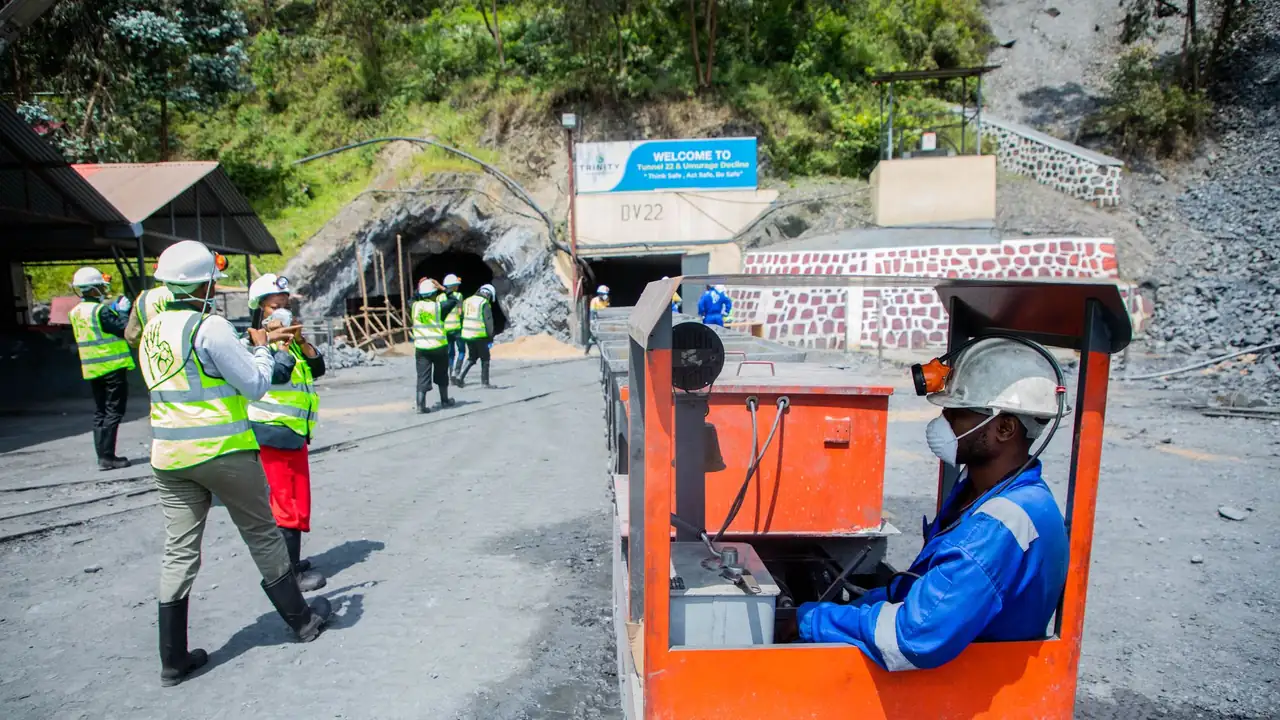
Cairns is a genuine FIFO town, just not in the way Perth is. People live here for the lifestyle and fly out to work: mines and processing operations in north west Queensland, resources and services projects in Papua New Guinea, and remote work on Cape York that is reached by air or a very long drive. If you are considering it, here is the honest version of how it works and how people actually get a start.
What FIFO from Cairns looks like
The common patterns:
- North west Queensland mining. The mining and processing operations inland recruit from across the state, and Cairns is one of the accepted departure points for some of them. Whether a given employer flies from Cairns changes over time, so check the point of hire on each ad before you apply. Point of hire matters: if a job is advertised with a different departure city, you cover the gap yourself.
- Papua New Guinea. Cairns has long been a service hub for PNG resources and infrastructure work, and experienced trades, plant operators and support staff fly out of Cairns Airport for rotations there. PNG work involves passports, medicals and country-specific requirements on top of the usual tickets.
- Cape York and remote Far North. Not always called FIFO, but the same shape: remote sites, camp accommodation, a roster, and home between swings. Construction, civil works and community services all run this way in the Cape.
Drive in drive out, or DIDO, is the road version of the same arrangement and is common for closer sites: you drive to site for your swing rather than flying, sometimes in your own vehicle and sometimes in a company one.

Rosters in plain English
Rosters are written as time on and time off. A 2/1 roster means two weeks on site, one week home. You will see many variations, and the same site can run different rosters for different crews. Each employer sets its own, so never assume: the roster, the shift length and whether travel days count as work days are questions for the interview, and the answers change how liveable the job really is.
A twelve hour shift is standard on most remote sites, and a swing means every day of it, including weekends. The week at home is genuinely yours, which is the trade the whole lifestyle rests on.
The entry roles
You do not need a trade to start. The classic doors in:
- Utility and camp services. Cleaning, kitchen hand and catering roles in the camps that house the workforce. Hospitality experience from Cairns venues translates directly.
- Trades assistant. Labouring support for the qualified trades. A ticket stack and a good attitude are the whole entry requirement.
- Operators. If you hold plant tickets or a heavy vehicle licence, more doors open. The truck licence guide covers which classes unlock what.
- Drivers, stores and warehousing. Supply chains for remote sites need hands at both ends, some of them based in Cairns rather than on site.
The tickets and checks that help
- A white card is the baseline for anything on a construction or civil site.
- A first aid certificate is cheap and makes you easier to roster on a remote site.
- A manual open driver licence is quietly one of the most valuable tickets in remote work, because site vehicles are utes and someone has to be allowed to drive them.
- Expect a pre-employment medical and drug and alcohol screening for almost every remote role, plus ongoing testing on site. If that is going to be a problem, this is not the industry.
- A police check is common for camp and community-facing roles.
The honest downsides
FIFO money is real, but so are the costs, and the people who last are the ones who priced them in first:
- You miss things. Birthdays, weekends, school events, the season your team finally wins. The roster does not care.
- Camp life is repetitive: the same room, the same mess, the same faces, no escape to your own kitchen.
- Relationships take deliberate work when half your life happens away.
- Twelve hour days in heat, dust or wet season humidity are physically taxing, and the fatigue is cumulative.
- Casual and contract arrangements are common, and a downturn or contract loss can end a role quickly.
Plenty of people build a great life on it, especially with a clear goal like a house deposit. The ones who struggle are the ones who drifted in for the money without deciding what it was for.
How to get a start from Cairns
Labour hire and recruitment agencies are the front door for most entry-level remote work, so register with the ones handling mining and civil, then apply directly on the careers pages of the contractors and operators working in the north west, PNG and the Cape. Keep your resume to the format local recruiters expect, tickets and availability at the top: the mining category here shows what is being asked for locally, and roles based around the Cairns end of the supply chain appear alongside site jobs.
Say your availability plainly, including that you are ready for the roster lifestyle, because recruiters have seen too many people quit after one swing.
If flying out is the plan, watch the mining and resources listings and the wider job search for roles recruiting out of Cairns. Employers post here free, and remote roles often need someone who can pass a medical and start on the next swing.