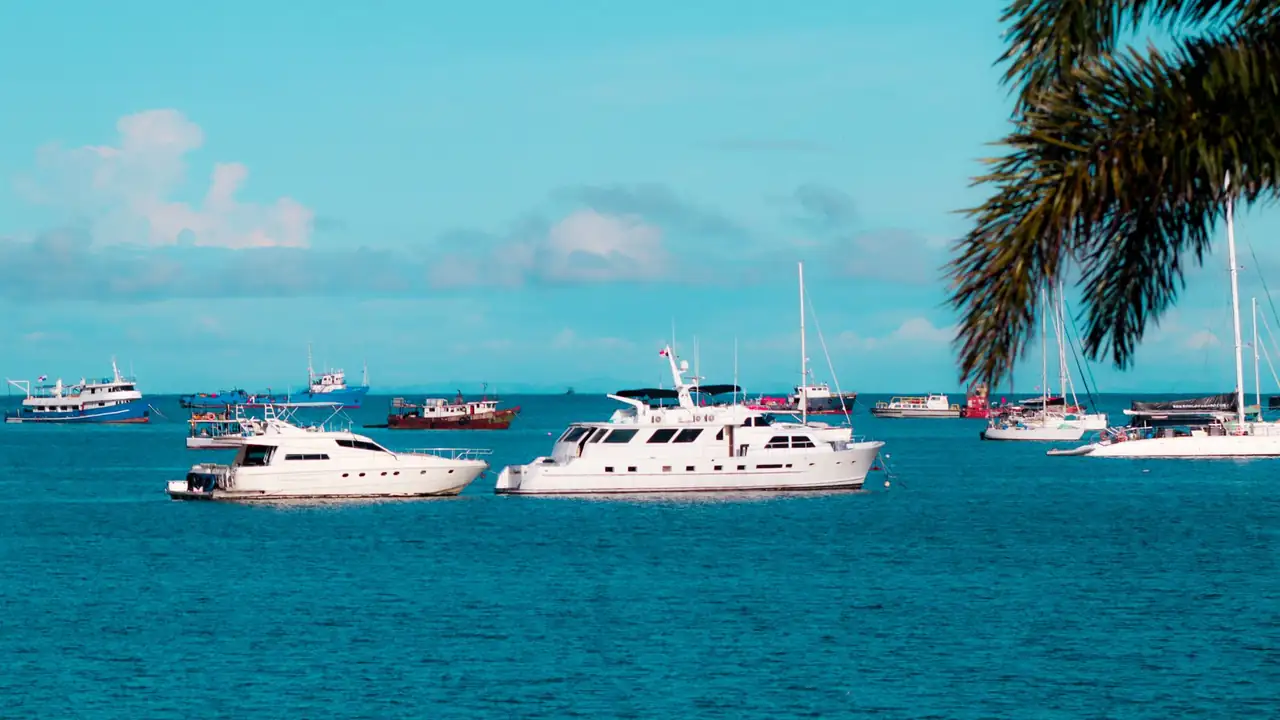
Walk along the Marlin Marina early on a dry season morning and you are looking at one of the biggest employers in Cairns: the reef fleet. Day boats, dive boats, sailing cats, transfer vessels, game boats. All of them need crew, and the pathway from first job to skipper is more open here than almost anywhere in Australia. Here is how the ladder actually works.
Start as a deckhand, no ticket required
The entry point is deckhand, and for general deckhand work there is no certificate of competency required. Operators hire on attitude, fitness, presentation and reliability, then train the ropes, fenders, lines and cleaning on the job.
What does move an application up the pile:
- Hospitality skills. Most reef boats serve food and drinks, so cafe or bar experience translates directly, and an RSA helps on licensed vessels. Our hospitality guide covers that side.
- A dive qualification. Certified divers and snorkel-confident swimmers are worth more on dive boats. The full pathway is in the dive industry guide.
- First aid and CPR. Cheap to get and always relevant on the water.
- Genuine comfort at sea. Say honestly whether you get seasick, because the boat will find out on day one anyway.
Operators do put crew through safety familiarisation and may ask for short shipboard safety training. Requirements vary by operator and vessel, so ask at interview rather than paying for a course in advance.
What the job actually is
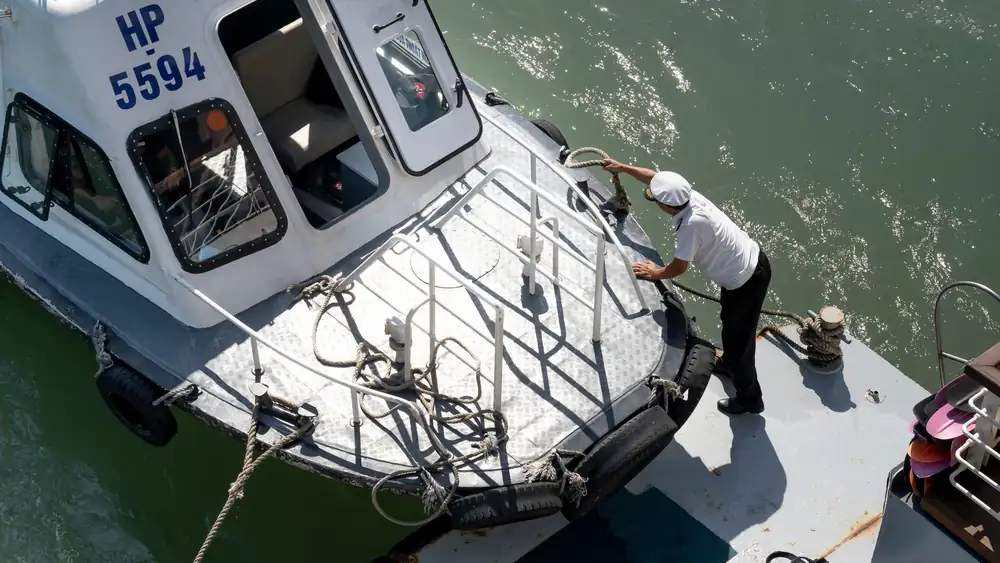
A reef deckhand day starts early: safety checks, boarding, briefings, then hours of tying up at moorings, helping snorkellers in and out, serving lunch, washing down and restocking for tomorrow. It is hospitality and seamanship at the same time, in the sun, for guests who are having the best day of their year. The crew who last are the ones who like people as much as boats.
Expect six-day weeks at the height of the season and honest physical fatigue in your first month. In return you get a workplace on the Great Barrier Reef, a fitness level you never paid a gym for, and a skill set that makes sense of every other marine job in the harbour.
The AMSA ladder: coxswain and beyond
Commercial qualifications for domestic vessels are regulated by the Australian Maritime Safety Authority, AMSA. The certificates run as a ladder, and the first serious rung for most Cairns crew is Coxswain Grade 2, then Coxswain Grade 1, which lets you command small commercial vessels within set limits on size, power and operating area. Above that sit higher near coastal certificates for bigger vessels, and separate engineering tickets for the engine room side.
Getting a certificate of competency involves three parts:
- Approved training with a registered training organisation delivering the relevant AMSA-aligned course. Cairns has a genuine cluster of maritime training because of the fleet, so courses run here regularly. Confirm on the national register at training.gov.au that the provider delivers the unit you need.
- Qualifying sea service. Most certificates require documented time at sea, which is why the deckhand year is not dead time. It is your sea time accruing.
- An application to AMSA, with a medical fitness requirement. The exact sea service rules, medical standards and fees change, so work from the current AMSA guidance rather than a forum post.
Log your sea time from your very first shift. Ask your skipper how the operator records crew sea service and keep your own copy as well. Crew who arrive at their coxswain application with clean, signed records sail through. Crew who have to reconstruct two years of shifts from memory do not.
Why the ticket is worth it here
A coxswain certificate in Cairns is not an abstract qualification. It is the difference between deckhand wages and being the person an operator can legally put in charge of a transfer vessel, a small charter or a tender operation. The fleet constantly needs ticketed crew, and skippers who came up through local decks get hired on reputation in a harbour where everyone knows everyone.
It also travels. Marinas, aquaculture, barge work up the coast, Cape York supply runs and superyacht seasons all recognise the same AMSA framework.
Tell your skipper where you want to end up. Most Cairns operators would far rather put a deckhand they already trust through a coxswain course than recruit a stranger who holds the certificate, and some will help with course costs for crew who commit to a season. It costs nothing to ask.
The honest seasonality
The reef fleet breathes with the tourist calendar. From roughly June to October the boats run full and operators add crew. Through the wet season, roughly November to April, some operators trim rosters, slow to a reduced schedule or pull boats for maintenance. Crew who stay busy year-round tend to be the ones who picked up maintenance skills, hospitality shifts ashore or a second string like tourism and reef work across different operators.
Time your first applications for the autumn ramp-up when operators are crewing up for the season, and treat a wet season start as a chance to get trained while the pace is slower.
Ready to get on the water? Check the live listings and the hospitality category, where boat roles often appear, and drop resumes at the marina offices in person, mid afternoon after the boats are back. Local operators post here free, and deck jobs go to whoever is standing there ready when a crew member quits.