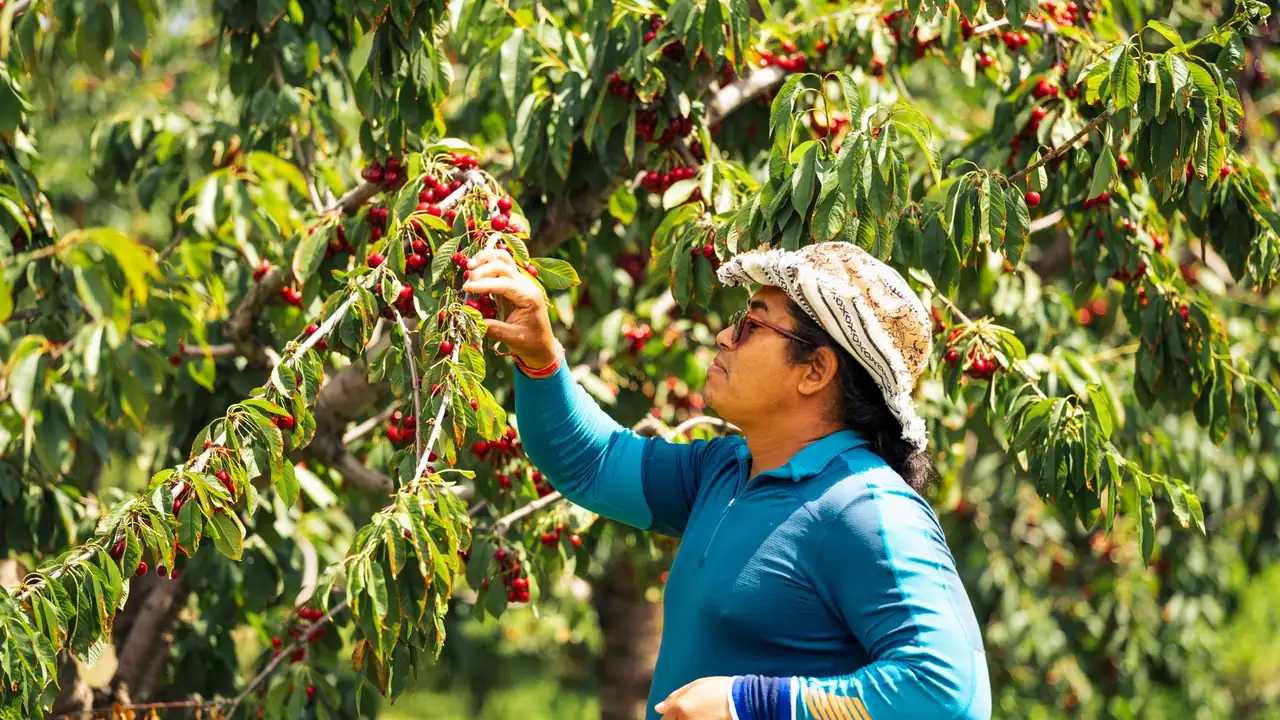
Fruit picking is one of the few kinds of work in Far North Queensland that is nearly always going somewhere. The catch is that Cairns itself is not farm country. The paddocks start once you climb the range or drive south, so before anything else you need to know where the work is and how you are going to get to it.
Where the farm work actually is
Four growing areas sit within reach of Cairns, and each grows different things.
- Mareeba and Dimbulah, roughly an hour west up the Kuranda range. Dry, hot, irrigated country running mangoes, avocados, citrus, bananas, coffee and other tree crops.
- The Atherton Tablelands, around Atherton, Tolga, Walkamin and Malanda. Cooler and higher, with mixed horticulture, row crops and dairy country in the south.
- Innisfail and Tully, south along the Bruce Highway. This is the wet tropics: banana country and cane country. Bananas are picked and packed all year, which makes this the steadiest farm work in the region.
- The coastal cane belt through Gordonvale, Babinda and up towards Mossman. Cane cutting is mechanised now, so the jobs here are mostly haul-out driving, mill work and maintenance rather than picking.
If you have no car and no reliable lift, be honest with yourself before you commit. Almost none of this work is reachable by public transport from Cairns, and turning up late twice will end the job.
What the work is actually like
Farm work pays because most people do not want to do it. Going in with clear eyes makes it much more bearable.
- Early starts. Crews often begin at or before first light to get ahead of the heat.
- Heat and humidity that do not let up, especially in the coastal banana blocks.
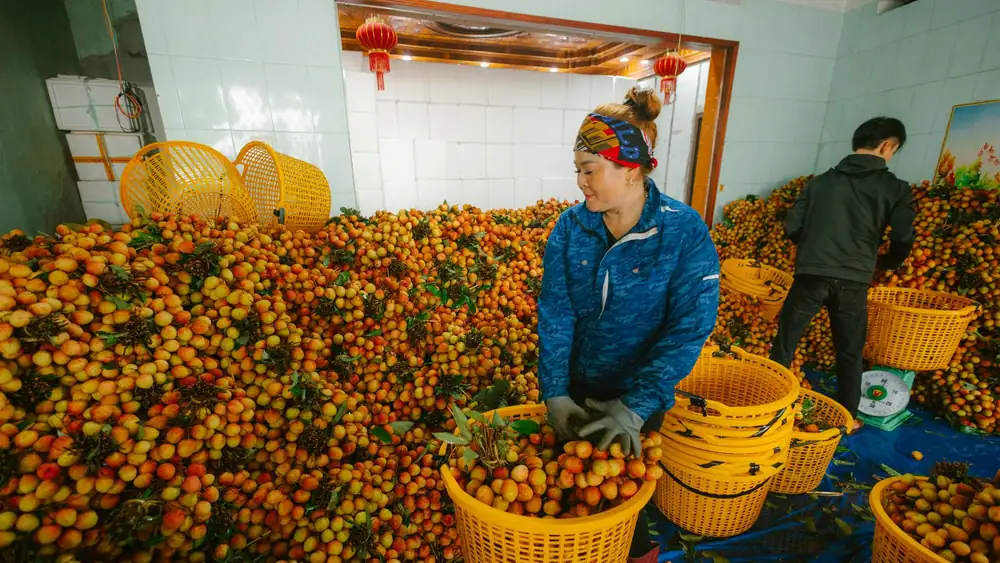
- Repetitive physical load: bending, lifting, carrying, reaching overhead. Banana work in particular is heavy, and packing shed work means hours on your feet at speed.
- Weather. The wet season runs roughly November to April. Rain stops picking, and a stopped day is often an unpaid day.
- No guaranteed continuity. Crops finish, blocks get rained out, and crews get stood down at short notice.
The upside is real too. When the hours are on you can bank money fast, the crews are usually social, and the work counts toward a working holiday visa extension if the job and the postcode qualify.
How the pay works, and how to check it
Never take a pay figure from a hostel noticeboard or a Facebook group as fact. Check it yourself.
- Most picking and packing work is covered by the Horticulture Award, and some shed and processing work sits under a different award. Look up the current minimum rate on the Fair Work Ombudsman website, or use their pay calculator, before you accept a job.
- Piece rates, where you are paid per bin, tray or bunch, are legal and common. The Horticulture Award includes a minimum hourly guarantee for piece workers, so ask the farm what that means for your job. Ask two questions: what is the rate per unit, and what does an average picker on this block actually earn per hour. A farm that will not answer has told you something.
- You should receive payslips and have superannuation paid. Cash in hand with no payslip is not a job you want, and those days will not support a visa application.
- Ask about deductions before you start. Where a farm or hostel bundles in a bed and a lift to the block, the deduction can swallow a large share of your pay.
Working holiday visa days
Farm work in the Cairns region is one of the main ways travellers get a second or third year working holiday visa. Both the type of work and the postcode have to qualify, and the official Department of Home Affairs specified work list is the only source worth trusting on that. Keep every payslip, and note the dates you actually worked. Our working holiday guide walks through the rest of the setup, including tax file numbers and bank accounts.
What to bring on day one
- Long sleeves and long pants, a wide brim hat, and sunscreen you will actually reapply
- Sturdy closed boots, plus gloves if the crop cuts or stains
- Three to four litres of water and something with electrolytes in it
- Your own lunch and snacks. There is no cafe in a banana block.
- Tax file number, bank details and super fund details ready to hand over
Finding a job without getting stung
- Go direct. Ring or drive around the farms and packing sheds in Mareeba, Dimbulah, Atherton, Innisfail and Tully. Growers hire informally and often before they advertise.
- Harvest labour hire companies place a lot of workers. Ask who your legal employer is and who pays your wages, and get it in writing.
- Never pay for a job. No legitimate grower or labour hire company charges a placement fee for picking work.
- Treat "guaranteed work" ads with suspicion, especially any that need you to book accommodation first. Some hostel job boards oversell badly, and you can lose weeks waiting for a start date.
- If you have no experience at all, farm work is one of the easiest starting points in the region. Our guide on getting a job in Cairns with no experience covers the rest, and the seasonal hiring guide explains which windows are worth targeting.
Growers and labour hire firms post farm jobs in Cairns and the Tablelands here for free, and travellers can also check the backpacker listings. Have a look at what is open right now and apply the same day it appears, because harvest crews fill quickly.