
Every Cairns local has a wet season strategy, whether they call it that or not. From roughly November to April the humidity climbs, the afternoon storms roll in, and the job market quietly rearranges itself. If this is your first summer here, knowing the pattern in advance is the difference between a lean few months and a well-planned one.
What actually slows down
The dry season tourist economy winds back, and the effects ripple out from the marina:
- Reef and tour operators run fewer boats and shorter rosters. Crews shrink, and casuals feel it first. Some operators use the quiet to refit vessels, which keeps maintenance hands on but not floor staff.
- Hospitality thins unevenly. The Esplanade venues that live on tourists cut shifts hardest. Suburban pubs, clubs and cafes that serve locals barely change, which is worth remembering when you pick where to apply.
- Hotels and resorts drop occupancy after the January school holidays, and housekeeping hours drop with it.
- Retail spikes, then dips. December is the biggest retail month of the year, then January and February go quiet once the Christmas casual contracts end.
None of this is a secret to employers. It is why so many locals deliberately stack their year: heavy hours June to October, lighter hours and more flexibility over summer.
What pushes through, and what hires more
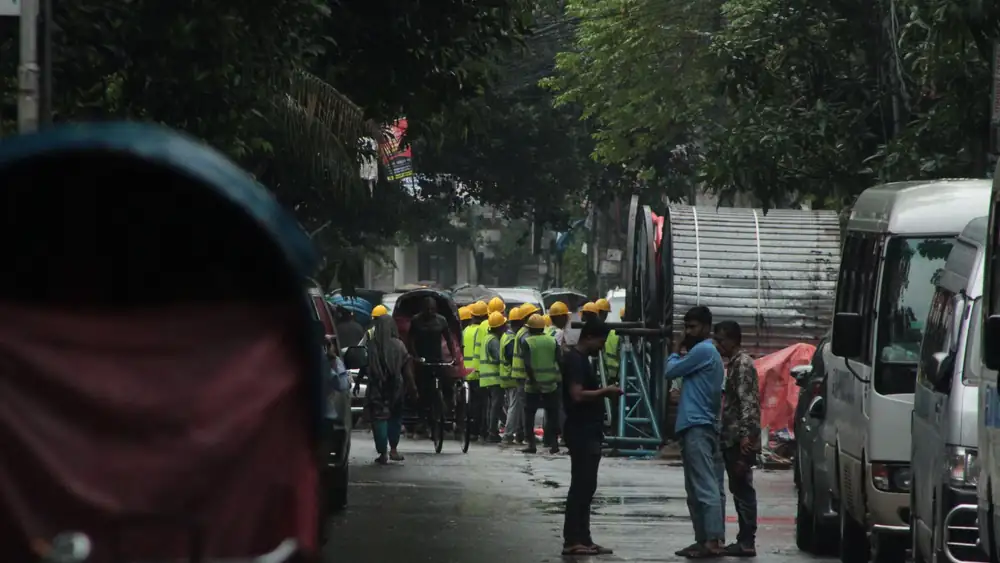
The wet is not a shutdown. Several industries barely notice it, and a few genuinely need more people:
- Health, aged care and disability support hire year-round, and this is the sector that keeps growing regardless of the weather. If you have been thinking about support work, the quiet months are a sensible time to make the move.
- Construction keeps going, working around the rain. Wet weather causes delays, not stoppages, and the trade shortage does not take the summer off.
- Supermarkets and essential retail run steady rosters all year.
- The green industry booms. Grass and gardens grow ferociously in the heat and rain, and mowing and landscaping crews often cannot keep up. The landscaping and chainsaw guide covers getting a start.
- Cleaning holds up, particularly commercial contracts and end-of-lease work around the January rental churn.
- Storm response. After a big blow there is real, immediate work in cleanup, green waste, fencing and repairs. It arrives without warning, which is exactly why crews value people who are already on their books.
- Schools and childcare hire for the new year through December and January, from teacher aide roles to cleaners and outside school hours care. If a school-hours job is the goal, this window is when the relief lists and new-year rosters get filled, and applications lodged in early December sit at the front of the queue.
December is two different months
The first three weeks of December are flat-out: Christmas retail peaks, venues run functions, and freight is at its heaviest. Then the town exhales. The stretch between Christmas and New Year is genuinely quiet for hiring, and locals use it to rest, fix the resume and line up references. If you were on a Christmas casual contract, this is when conversion decisions get made, so make your interest in staying on known before the crowds disappear.
Cyclone season, practically
Cyclone season officially runs November to April, and most seasons pass Cairns without a direct hit. But it shapes work in small ways: outdoor jobs watch the radar, boats stay in when the warnings go up, and after any big weather event there is a burst of cleanup and repair work. Keep your phone charged, know your employer's wet weather policy, and treat the Queensland Government's warnings as the source of truth rather than social media.
The locals' rule: earn hard in the dry, plan for a lighter wet, and never quit a steady job in November expecting to walk into another one in a week. The market picks back up, but not until the new year.
Budgeting through the quiet months
This is not financial advice, just the pattern experienced seasonal workers follow. Hours are at their peak from June to October, so that is when to build the buffer. Over summer, casuals in tourism-facing roles should expect fewer shifts and plan rent accordingly. If your hours drop significantly, check whether you are eligible for any support through Services Australia rather than guessing, and remember that picking up a second casual role in a wet-proof industry is how many locals bridge the gap. Cleaning, support work and supermarket shifts all fit around a reduced main roster, and employers in those sectors are used to exactly this arrangement over summer. The other wet season habit worth copying: this is when locals knock over the cheap tickets, so that when the autumn hiring wave arrives they apply with the paperwork already done.
The January bounce
The recovery is real and it comes fast. New budgets open up, people resign after the holidays, schools go back, and tourism starts building towards the dry season. January is genuinely one of the best months to job hunt in Cairns, partly because so few people believe it. Use the quiet weeks to get ready: resume current, referees briefed, alerts set.
The full year-round pattern is mapped in when do Cairns employers hire. And the wet season does not stop local employers posting: check what is open right now, especially in casual work, where wet-proof industries keep hiring straight through the summer.